
The Problem
Drug users have outsmarted the system of drug testing — and most laboratories cannot see it happening.
Subversion Is Everywhere Your Panel Isn't Looking
Outsmarting Subversion
Drug abusers use social media to learn and share new techniques for subverting drug testing. Subversion tactics evolve faster than standard validity testing was designed to address.
Workplace Subversion
Workplace drug‑test subversion is on the rise. Employers and testing programs make decisions on results that have already been compromised.
Prescribing Practices
Physicians rely on accurate clinical testing data to assess risk and make informed decisions about the next step in care. When a laboratory result does not accurately reflect the specimen, it can compromise the information a provider uses to guide treatment.
Modern specimen integrity testing helps identify results that may warrant closer clinical review. Recognizing patients at higher risk of attempting to subvert testing gives providers an opportunity to start the right conversation, evaluate the full clinical picture, and connect the patient with appropriate support.
Overdose Deaths
Deaths from drug overdoses have risen to over 175 per day in the United States. False test results delay intervention until the problem is detected by overdose — which may be fatal.
Your Drug Test Is Only as Reliable as the Specimen.
Standard specimen validity testing checks pH, creatinine, and specific gravity. Those routine measures can flag some abnormalities, but they do not establish that a specimen is authentic.
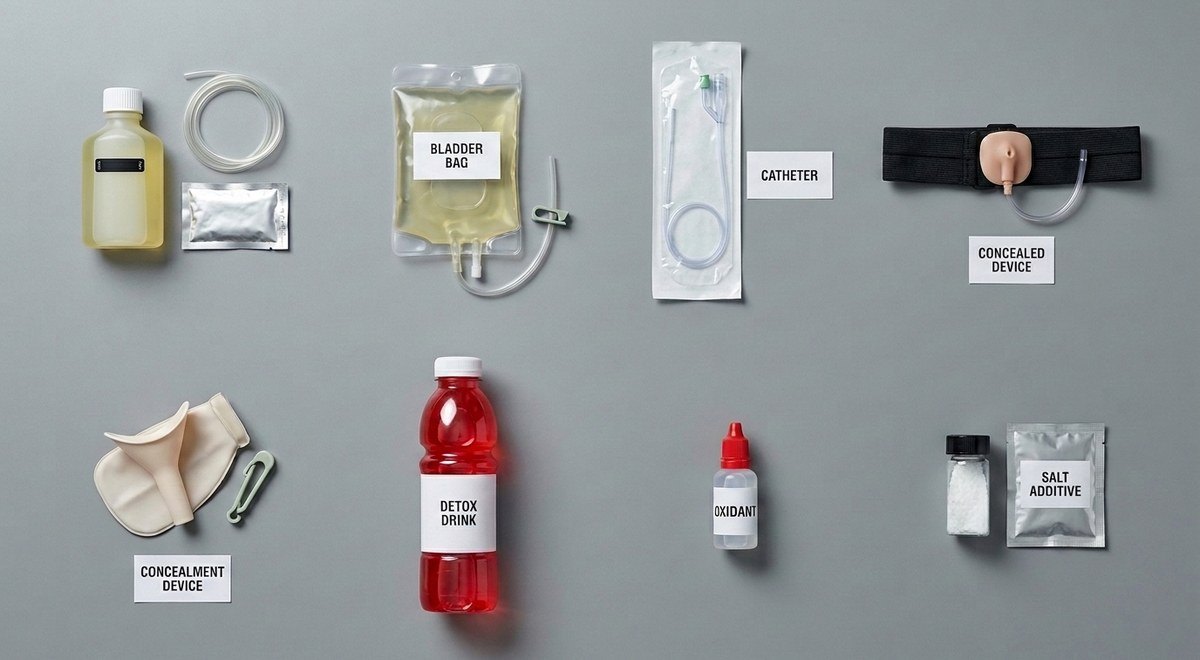
Today’s subversion market is built around that gap, using products and methods intended to make a specimen appear normal while undermining the integrity of the result.
Figures are estimates published by Validity Diagnostics.
When the Result Is Wrong, Every Decision After It Is at Risk.
Drug-test results guide clinical care, treatment planning, court supervision, and employment decisions. Physician practices, treatment and rehabilitation programs, drug courts, employers, and laboratories all depend on reliable results.
When a compromised specimen is reported as valid, the result may not accurately reflect the person being tested. That can delay the right clinical conversation, weaken treatment planning, and leave programs without a clear view of the risk they are trying to manage.
- Clinical and prescribing decisions based on incomplete data
- Treatment and recovery plans guided by unreliable results
- Drug courts and programs missing an opportunity to identify elevated risk
The Problem Is Solvable — in Your Own Laboratory
The VDx Essentials Panel detects the subversion that standard specimen validity testing misses, including synthetic urine.
See Our Solution